HVAC Repair or Replace? How to Decide and What It Costs
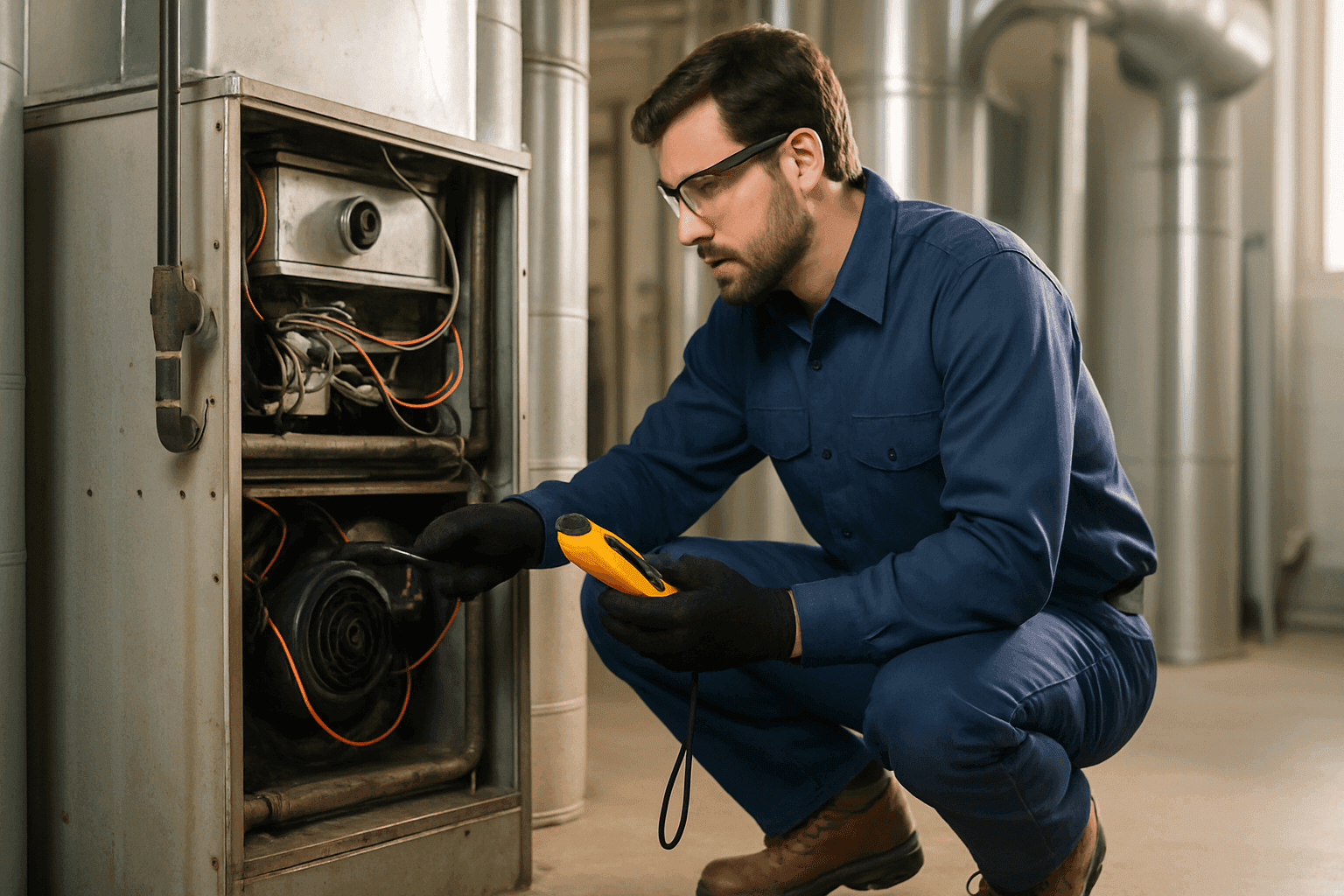
Is your HVAC acting up again? Maybe the heat’s not kicking on, or that rattling noise just won’t quit. You’re not alone—thousands of home and business owners face this same headache every year. The big question: Fix it, or finally swap it out for something better?
At Knight Heating & Air, we’ve helped families, property managers, and business owners weigh this decision for decades. Let’s break it down together—plain, simple, and based on real-life numbers, not wishful thinking.
Common Signs Your HVAC Needs Repair
Your heating and cooling system doesn’t just quit out of nowhere. It drops hints along the way. Spotting these early can save you heaps of money and stress.
- Frequent Breakdowns: If the technician recognizes your living room more than your friends do, your system is crying out for help.
- Strange Noises: Banging, clanking, squealing—these aren’t normal. Think of your HVAC as a car engine: odd sounds mean trouble.
- Unusual Smells: Burning, musty, or moldy odors suggest electrical issues or dirty components.
- Rising Energy Bills: If your utility costs climb but your comfort drops, the system’s efficiency is tanking.
- Hot or Cold Spots: Inconsistent temperatures often point to airflow or ductwork issues.
- Short Cycling: The system turns on and off rapidly. That’s not hustle—it’s a cry for attention.
- Humidity Issues: A swampy or bone-dry home may mean your equipment can’t handle the job.
Each warning sign has a story. Sometimes it’s a quick fix—a filter swap, a loose wire, or a thermostat tweak. Other times, it signals something deeper.
When Replacement Is the Better Option 🛑
Repair can feel like the easy way out, but patching a failing system doesn’t always pay off. Here’s when to seriously consider a replacement:
1. Age of the System
Most HVAC systems last 10–15 years, according to the U.S. Department of Energy. Geothermal near you can last even longer—but nothing’s forever. If yours is pushing its teens or twenties, replacement usually makes more sense.
2. Cost of Repairs
A good rule of thumb: If repairs cost more than half of a new system, replacement is typically wiser. Major jobs—like replacing compressors or heat exchangers—can cost thousands.
3. Outdated Technology
Older units gobble energy. Modern systems (including ductless mini-splits and high-efficiency furnaces) can slash utility bills, offer smart controls, and improve indoor air quality.
4. Comfort and Air Quality
If you’re constantly fighting humidity, dust, or temperature swings, new equipment might be the only real solution.
5. Safety Concerns
Cracked heat exchangers, leaking refrigerant, or electrical hazards? Don’t risk it. Replacing isn’t just about comfort—it’s about safety.
Cost Comparison: Repair vs. Replace
Let’s talk numbers—because budgets matter.
Typical Repair Costs
- Minor fixes: Replacing thermostats, fuses, capacitors, filters, or relays usually runs $100–$500.
- Moderate repairs: Fan motors, circuit boards, or condenser issues can hit $400–$1,500.
- Major repairs: Compressors, coils, or heat exchangers often cost $1,500–$4,000 (based on averages from HomeAdvisor and Angi).
Replacement Costs
- Central AC installation: $4,000–$12,000 (size, efficiency, and ductwork all matter).
- Furnace installation: $3,500–$9,000.
- Geothermal near you: $10,000–$30,000 (long-term savings, but higher upfront).
- Ductless mini-splits: $2,000–$8,000 per zone.
Other Considerations
- Efficiency savings: Modern systems can cut energy use by 20–40%. That adds up year after year.
- Rebates & incentives: State, federal, and utility rebates may offset upfront costs—check Energy Star or your local utility.
- Warranty: New systems come with warranties (often 5–10 years). Old systems? Not so much.
Maximizing HVAC Lifespan
Want your HVAC to last longer? Treat it like a prized car or a favorite appliance.
- Change air filters regularly: Every 1–3 months, depending on use and filter type.
- Schedule professional maintenance: At least annually—spring for cooling, fall for heating.
- Keep vents and returns clear: Don’t block airflow with furniture, rugs, or clutter.
- Address repairs early: Don’t ignore small issues. They grow into big (expensive) ones.
- Invest in quality: High-quality parts and proper installation pay off over time.
Key Factors to Weigh
Still unsure? Ask yourself:
- How old is my system?
- How frequent (and expensive) are the repairs?
- Am I happy with my comfort and air quality?
- What’s my energy bill doing year to year?
- Is safety a concern?
- What rebates or credits could I get?
If you’re nodding along to most of these, it’s time to talk replacement.
Tips for Getting Accurate Quotes
- Get multiple bids: Prices vary. Always compare apples to apples—same size, efficiency, and features.
- Ask about labor vs. parts: Know what’s covered and what’s extra.
- Check licensing & insurance: Only hire licensed, insured HVAC pros.
- Request a load calculation: Proper sizing ensures comfort and efficiency.
- Ask about warranties: Coverage matters if something goes wrong.
Frequently Asked Questions 🤔
How do I know if my system is worth repairing?
If it’s under 10 years old and repair costs are minor, fixing it is usually safest. If repairs are frequent or expensive, or if efficiency is dropping fast, replacement may pay off.
Are there codes or standards I should know about?
Yes. The U.S. EPA, local building codes, and the International Residential Code (IRC) all set standards for safe installation and refrigerant handling. Always use a certified technician.
What’s the best time of year to replace my HVAC?
Spring and fall are often best—before harsh weather hits and when HVAC contractors are less busy.
Can repairs improve indoor air quality?
Absolutely. Cleaning ducts, upgrading filters, or adding air scrubbers or dehumidifiers can make a huge difference.
Local and Seasonal Considerations
Your climate and region shape your HVAC needs. Summers swelter? An efficient AC or whole-house fan could be a game changer. Winters harsh and dry? A high-efficiency furnace with a humidifier keeps you comfortable. Don’t forget about power outages—generator installation and maintenance can safeguard your comfort year-round.
The Bottom Line
Repair or replace? It’s a balancing act—comfort, safety, cost, and peace of mind. Don’t let uncertainty leave you sweating (or shivering).
Call Knight Heating & Air now — or reach us anytime at 888-896-8546 .