How to Improve Indoor Air Quality: Filters, Air Scrubbers & More
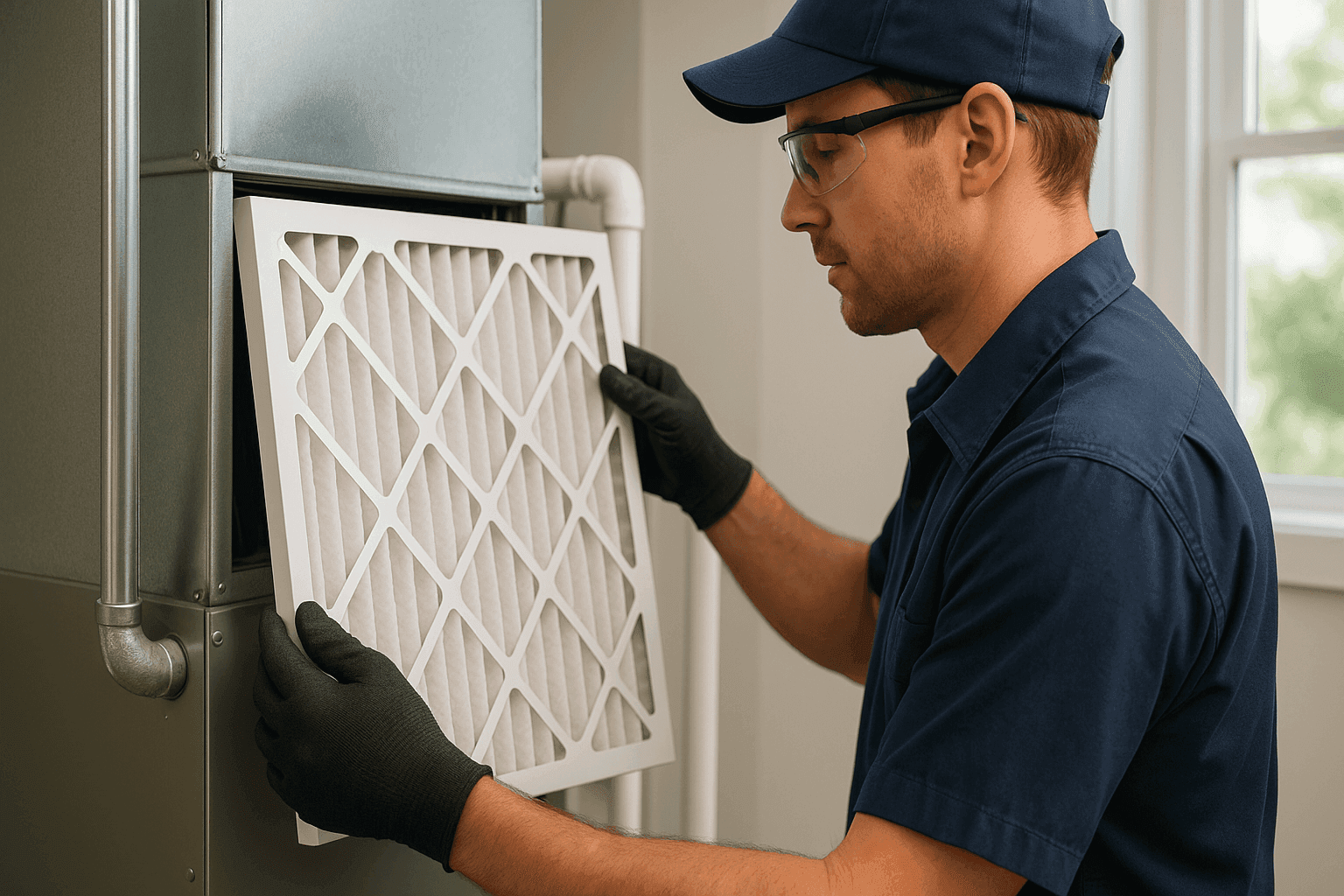
Breathe in. Hold it for a moment. Imagine that air swirling around your home or office—clean, crisp, and fresh. Now imagine that same air filled with dust, pollen, or worse. Most people don’t think about what’s in the air until allergies flare or a musty odor creeps in. At Knight Heating & Air, we’re here to help you clear the air—literally.
Indoor air quality (IAQ) isn’t just a buzzword. It’s about your health, your comfort, and how well your HVAC system works. Whether you’re worried about sneezing kids, employees calling out sick, or just want peace of mind, improving your IAQ is easier—and more important—than you might think.
Why Indoor Air Quality Matters 🤧
The air you breathe inside affects everything from sleep to productivity. According to the Environmental Protection Agency (EPA), indoor air can be two to five times more polluted than outdoor air. That’s because dust, mold spores, chemicals, and bacteria all hitch a ride on every breath you take.
Poor air quality can trigger allergies, asthma, headaches, and even long-term health risks. For businesses, it might mean more sick days and lower morale. For families, it’s comfort, safety, and peace of mind. Clean air is like sunlight—you notice when it’s missing.
HVAC Filters: Types and Selection
The heart of better indoor air is your filter. Think of filters as the gatekeepers of your HVAC system—they decide what gets through and what doesn’t. But not all filters are created equal.
Types of HVAC Filters
- Fiberglass Filters: Cheap and common. They catch large particles but let smaller ones pass.
- Pleated Filters: Folded material grabs more dust and pollen. A good step up for most homes.
- HEPA Filters: High-Efficiency Particulate Air filters trap 99.97% of particles as small as 0.3 microns. Hospitals use them. For allergy sufferers or homes with pets, they’re a game changer.
- Electrostatic Filters: Use static electricity to trap particles. Washable, but may not catch the tiniest stuff.
- Activated Carbon Filters: Great for odors and gases, but best when paired with a particle filter.
Choosing the Right Filter
Check your system’s specs. Some filters (like HEPA) are so dense they can block airflow if your HVAC isn’t built for them. The American Society of Heating, Refrigerating and Air-Conditioning Engineers (ASHRAE) recommends filters with a Minimum Efficiency Reporting Value (MERV) of 8–13 for most homes and small businesses. Higher isn’t always better—balance filtration with airflow.
Change filters regularly—every 1–3 months, or more often with pets, smokers, or heavy use. A clogged filter is like a traffic jam for your air.
Air Scrubbers vs. Purifiers
Air scrubbers and purifiers both clean the air, but they work differently.
Air Scrubbers
Picture a tiny cleaning crew scrubbing your air as it flows through your ducts. Air scrubbers use a combination of UV light and catalytic reactions to neutralize bacteria, mold, and viruses right inside your HVAC system. They don’t just trap—they destroy.
- Best for: Killing germs, reducing odors, and tackling volatile organic compounds (VOCs).
- Installed directly in your ductwork.
Air Purifiers
Think of purifiers as stand-alone bouncers. They pull air in, filter it (often with HEPA or carbon), and push it back out. Some use UV or ionization.
- Best for: Specific rooms, smaller spaces, or targeted allergy relief.
- Portable or in-duct options available.
Which Should You Choose?
- Air Scrubber: For whole-building, ongoing protection—especially in homes with pets, kids, or immune concerns, or businesses with lots of foot traffic.
- Purifier: For spot treatment—bedrooms, offices, or allergy hot spots.
Both work best with regular HVAC maintenance and a solid filter.
Humidity Control with Dehumidifiers and Humidifiers 💧
Too much humidity feels like a sauna. Too little, and your skin cracks and wood warps. Ideal indoor humidity is 30–50%, according to the Centers for Disease Control and Prevention (CDC).
Dehumidifiers
Pull excess moisture from the air. Great for basements, bathrooms, or anywhere mold likes to grow.
- Benefits: Prevents mold, dust mites, and musty smells. Helps your AC work less in muggy climates.
Humidifiers
Add moisture when air is dry—common in winter or with forced-air heat.
- Benefits: Eases dry skin, scratchy throats, static shock, and even keeps your furniture happier.
Signs You Need Help
- Too humid: Condensation on windows, sticky walls, musty odors, visible mold.
- Too dry: Static shocks, dry mouth, nosebleeds, cracked wood.
Whole-home solutions tie into your HVAC for balanced comfort year-round.
DIY & Professional IAQ Testing
You can’t fix what you can’t see—or smell.
DIY Testing
- Home test kits: Check for mold, radon, or VOCs. Affordable, but results can be hit or miss.
- Smart sensors: Monitor air quality in real time, tracking particles, CO₂, and humidity.
DIY gives you a snapshot, but it’s not always the full picture.
Professional IAQ Testing
When air just “feels off,” or symptoms linger, call in the pros. Professional IAQ testing uses calibrated tools to measure:
- Particle counts (dust, pollen, dander)
- VOCs and chemical pollutants
- Mold spores
- Carbon monoxide and other gases
- Humidity and temperature
Pros follow standards from organizations like the EPA and ASHRAE, looking for hidden problems in your ductwork, attic, or crawlspaces.
Quick Safety Checklist 🛑
- Change filters on schedule—don’t wait for dust bunnies.
- Never block vents or returns with furniture or boxes.
- Keep HVAC equipment clear—no storage piled up nearby.
- Use exhaust fans in kitchens and bathrooms.
- Store chemicals, paints, and cleaners away from supply vents.
- Check for water leaks or standing moisture near HVAC and in basements.
Stay alert for strange smells, visible mold, or sudden allergy spikes.
DIY vs. Call a Pro
Some air quality fixes are weekend projects. Others call for specialized gear and know-how.
When DIY Works
- Swapping out filters (just make sure you buy the right size)
- Cleaning vents and registers with a vacuum
- Running portable purifiers or dehumidifiers
When to Call Knight Heating & Air
- Suspected mold, mildew, or strange odors
- Persistent allergy symptoms
- Visible dust build-up despite regular cleaning
- Interest in whole-home solutions: air scrubbers, humidifiers, dehumidifiers, high-MERV or HEPA filters, or “Geothermal near you” upgrades
- HVAC system acting up: uneven airflow, noisy operation, thermostat issues
A professional brings calibrated tools, training, and the backing of industry standards.
What Pros Do On Arrival
It’s not just about swapping a filter and calling it a day. Here’s what to expect when a Knight Heating & Air technician visits:
- Thorough walk-through: Listen to your concerns, ask about symptoms, tour your home or building.
- Visual inspection: Search for dust, dirt, or signs of moisture and mold.
- Testing: Check for CO, humidity, airflow, particle counts.
- System check: Inspect filters, ductwork, fans, and coils.
- Recommendations: Suggest solutions tailored to your building, use, and budget.
You get answers you can act on—no guesswork.
Prevention & Maintenance
Keeping air clean is a marathon, not a sprint. Here’s how to stay ahead:
- Change filters regularly—set reminders.
- Schedule annual HVAC maintenance (twice yearly if you have allergies or pets).
- Clean ducts every few years, especially after renovations or if you see heavy dust.
- Test humidity with a simple hygrometer.
- Upgrade to higher MERV or HEPA filters if your system allows.
- Consider air scrubbers or UV lights for an extra layer of protection.
According to ASHRAE and the EPA, most IAQ problems can be prevented with regular maintenance and quick action on leaks or ventilation issues.
Costs & Time Factors
Air quality solutions come in all sizes. Here’s what to expect:
- Filters: $10–$100 each, depending on type and quality. Most take 5 minutes to change.
- Air scrubbers: Installed by a pro, typically in a few hours.
- Dehumidifiers or humidifiers: Portables are plug-and-play; whole-home systems may take a half-day to install.
- Professional IAQ testing: Takes about 1–2 hours, with results in a few days.
Small steps, big difference. The cost of not acting? Priceless when it comes to health.
When It’s an Emergency 🚨
Some problems can’t wait:
- Smelling gas or rotten eggs? Leave the building and call emergency services.
- Sudden, severe allergy or asthma symptoms? See a doctor and get your air checked.
- Carbon monoxide alarms going off? Evacuate immediately.
For urgent HVAC or air quality issues, Knight Heating & Air offers 24-hour emergency service.
FAQ
How often should I change my HVAC filter?
Most homes need a new filter every 1–3 months. If you have pets, allergies, or run your system often, check monthly.
Will an air scrubber help with COVID-19 or flu?
Air scrubbers can reduce airborne bacteria and viruses but should be part of a broader safety strategy—including ventilation and regular cleaning.
Are portable air purifiers worth it?
Yes, especially for bedrooms, offices, or problem areas. Look for models with true HEPA filters and the right capacity for your space.
Can I install a HEPA filter in any HVAC system?
Not always. Some systems aren’t designed for high-resistance filters. Check your manual or ask a pro before upgrading.
Local & Seasonal Considerations
Climate plays a big role in IAQ. In humid summers, dehumidifiers keep mold at bay. During dry winters, humidifiers combat static and dry air.
If you’re renovating, dealing with wildfire smoke, or have seasonal allergies, step up your filter changes and consider portable purifiers. In both homes and businesses, regular duct cleaning after construction dust settles is a must.
Year-round, keep an eye on humidity and airflow. Your air isn’t static—neither is your maintenance plan.
Clean air isn’t a luxury—it’s a necessity. Whether you’re unsure where to start or ready for a whole-home upgrade, Knight Heating & Air is here to help you breathe easier.
Call Knight Heating & Air now — or reach us anytime at 888-896-8546 .