24/7 Emergency HVAC: What to Do Before Help Arrives
When your heating or cooling suddenly quits, panic is natural. Maybe it’s the coldest night of winter. Or the hottest afternoon of summer. Or the middle of a storm when you need power, airflow, and safety the most. The air feels thick. The clock ticks louder. You need answers—fast.
At Knight Heating & Air, we know those first moments can make a huge difference. Here’s what you can do right now to protect your home, your comfort, and your peace of mind before a certified technician arrives.
Recognizing an HVAC Emergency
Not every HVAC hiccup is a true emergency. But some issues can’t wait until morning.
Ask yourself:
- Is there no heat during a dangerous cold snap?
- Is your AC down during a heat wave, risking health or equipment?
- Do you smell burning, see smoke, or hear loud electrical noises?
- Are there signs of water leaks, frozen pipes, or electrical sparks?
- Is indoor air thick with humidity or particulates, risking health or inventory?
If you answer yes to any of these, you’re facing a genuine emergency. Don’t ignore your gut—a small issue can snowball quickly, especially with sensitive occupants or equipment on the line.
Immediate Safety Precautions ⚡
Safety first, always. Before calling for emergency HVAC help, take these steps:
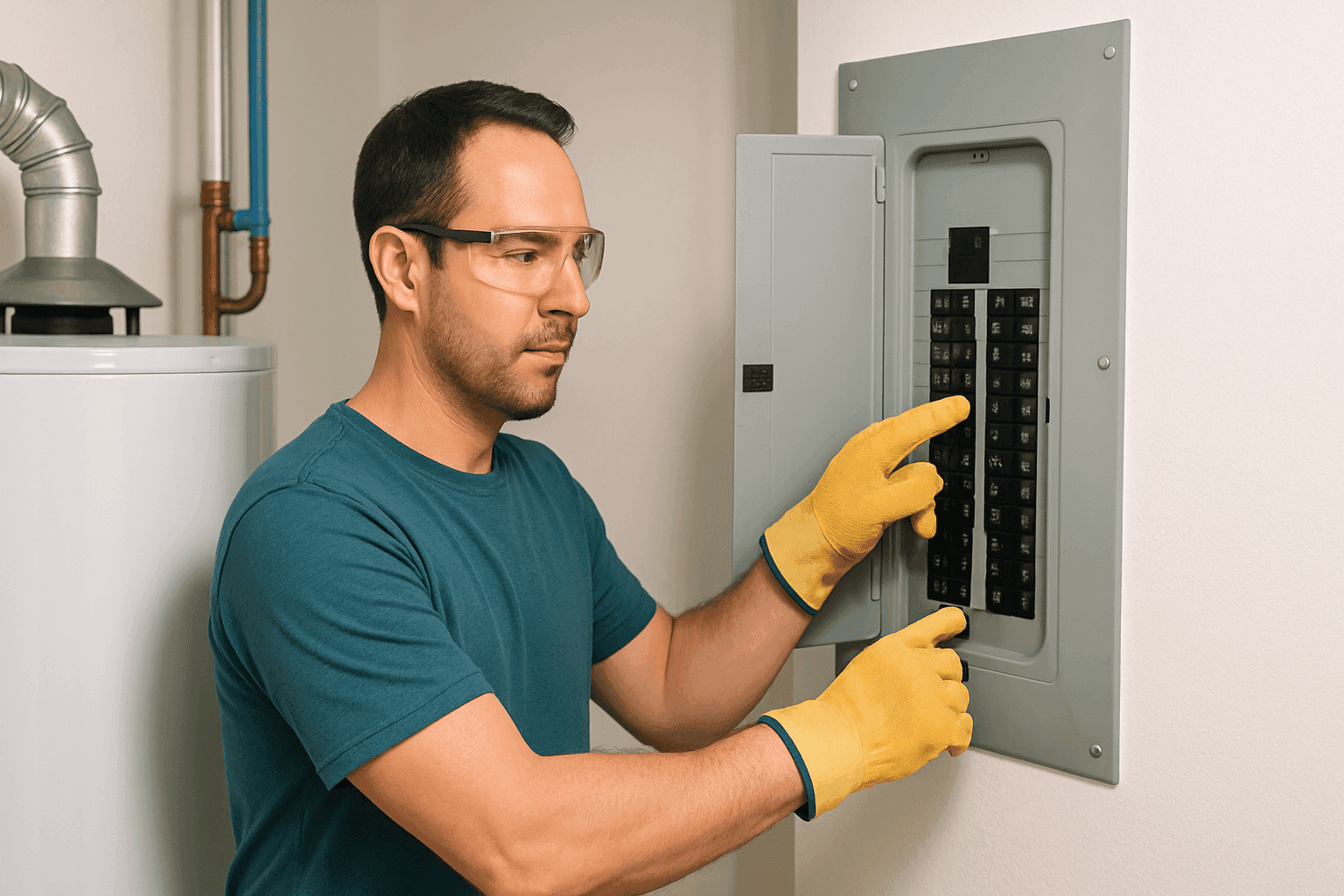
- Shut Off Power: If you smell burning, see sparks, or hear electrical buzzing, turn off the HVAC system at the breaker panel. Never touch wet or damaged equipment.
- Check for Gas Odors: If you suspect a gas leak (rotten egg smell), evacuate immediately. Don’t use electronics or phones inside. Call your utility company from a safe distance.
- Protect Sensitive Areas: Close doors to rooms with valuable electronics, medical equipment, or temperature-sensitive goods.
- Monitor Vulnerable People: Infants, elderly, and those with health issues are more at risk. Move them to a safe, comfortable space.
- Ventilate If Safe: Open windows if air feels stuffy—unless outdoor conditions are hazardous.
If you’re ever in doubt about your safety, step outside and call for help.
Temporary Comfort Solutions
While waiting for your HVAC technician, a few quick fixes can help you ride out the discomfort:
- For Heat Loss: Layer on extra clothes or blankets. Use portable electric heaters—never use ovens, grills, or fuel-burning devices indoors (fire and carbon monoxide hazard).
- For Cooling Loss: Use fans to circulate air. Close blinds to block sunlight. Move to the coolest room, often the lowest level of a building.
- Humidity and Air Quality: Use standalone dehumidifiers or air purifiers if you have them. Avoid creating extra moisture (like boiling water) or dust.
- Protect What Matters: If you store perishable inventory or sensitive electronics, move them to the safest available spot with the most stable temperature.
Remember: These are stopgaps. Don’t try to repair wiring, refrigerant lines, or gas connections yourself.
What Information to Provide Your Technician 📝
When you call Knight Heating & Air (or any 24/7 HVAC service), clear information can get help to you faster:
- Address and Contact: Double-check your location details, especially for commercial sites.
- Symptoms: Describe what happened—strange noises, smells, leaks, sudden shutoff, error codes, or visible damage.
- When It Started: Did the problem develop suddenly or over time? Was there a recent storm, power outage, or construction nearby?
- Any Safety Concerns: Let us know if you’ve shut off power or gas, or if there are vulnerable people or sensitive equipment on site.
This helps our certified pros arrive with the right tools and parts—saving you precious time.
DIY vs. Call a Pro
It’s tempting to tinker. But HVAC systems are as complex as a Swiss watch, with high voltages, hot surfaces, and delicate components. Here’s a quick guide:
- DIY: You can change the thermostat batteries, check your air filter, or reset a tripped breaker—if you can do so safely.
- Call a Pro: If you suspect electrical, refrigerant, or gas issues—or if you hear, see, or smell anything unusual—wait for your technician.
National Fire Protection Association (NFPA) and the U.S. Consumer Product Safety Commission recommend leaving electrical and fuel repairs to licensed professionals.
What Pros Do On Arrival
When a Knight Heating & Air technician arrives, here’s what you can expect:
- Safety Check: First, we make sure the area is safe—no active leaks, no live wires, no carbon monoxide risk.
- Diagnostics: Using specialized tools, we identify the root cause—anything from a fried capacitor to a failed compressor or a duct blockage.
- Temporary Fixes: If immediate repair isn’t possible, we’ll stabilize the system, protect your home, and advise on next steps.
- Transparent Communication: We’ll explain what happened, what needs fixing, and provide options based on your budget and timeline.
Our techs are certified by organizations like NATE (North American Technician Excellence) and stay up to date with the latest safety protocols.
Prevention & Maintenance
The best way to avoid emergencies? Regular checkups.
- Schedule Preventive HVAC Maintenance: A pro can spot worn parts, failing capacitors, or dirty coils before they cause breakdowns.
- Change Filters Regularly: Dirty filters starve your system of airflow, leading to overheating or icing.
- Consider Upgrades: Modern thermostats, air scrubbers, and whole-house fans can help your system adapt to changing conditions and reduce risk.
- Emergency Kit: Keep portable heaters, fans, and flashlights handy—especially if your area is prone to storms or blackouts.
The U.S. Department of Energy and Air Conditioning Contractors of America (ACCA) both stress the value of scheduled maintenance for reliability and safety.
Costs & Time Factors
Emergencies can be costly—both in money and time.
- After-Hours Service: Expect to pay a higher rate for calls outside regular business hours.
- Parts Availability: Some specialty parts (like for Geothermal near you, or rare models) may take extra time to source.
- Severity: A quick fix (like a tripped breaker) might take minutes. Major repairs (compressors, blower motors, ductwork) can require hours—or even a return visit.
Always ask for a clear explanation of the problem and repair options. A reputable technician will walk you through it.
When It’s an Emergency
If you’re not sure whether your situation is urgent, ask yourself:
- Is anyone’s health or safety at risk?
- Are you unable to secure your home or business from temperature extremes?
- Is water, smoke, or electrical failure putting property in danger?
- Is there a risk of pipes freezing or inventory spoiling?
When in doubt, call for help. It’s always better to err on the side of caution.
FAQ
Q: Can I use my oven or grill to heat my house during a furnace outage?
A: Never use ovens, grills, or fuel-burning devices indoors for heat—this is a fire and carbon monoxide hazard.
Q: What if my breaker keeps tripping when I reset it?
A: Frequent tripping means there’s a deeper electrical problem. Leave the breaker off and call a professional.
Q: How long does emergency HVAC service take?
A: Response times vary by weather, traffic, and part availability, but our team is available 24/7 for urgent calls.
Q: Will my warranty be affected if I try to fix things myself?
A: Attempting DIY repairs can often void equipment warranties. Always check your manufacturer’s guidelines.
Local & Seasonal Considerations 🌬️
Seasonal extremes bring unique risks. Summer storms can knock out power. Ice and snow can block exhausts or freeze pipes. Commercial sites might need extra protection for inventory, server rooms, or food storage. Homes with seniors, infants, or medically fragile people need special planning.
Consider a home energy audit or IAQ testing to spot vulnerabilities before disaster strikes. Ask about Geothermal near you, generator installation, or whole-house fans to boost resilience year-round.
If your HVAC quits at the worst possible moment, don't face it alone.
Call Knight Heating & Air now — or reach us anytime at 888-896-8546 .